
Science · Approach
Somenso’s scientific approach
We turn the complex experience of stress into clear, measurable data – and data into care.
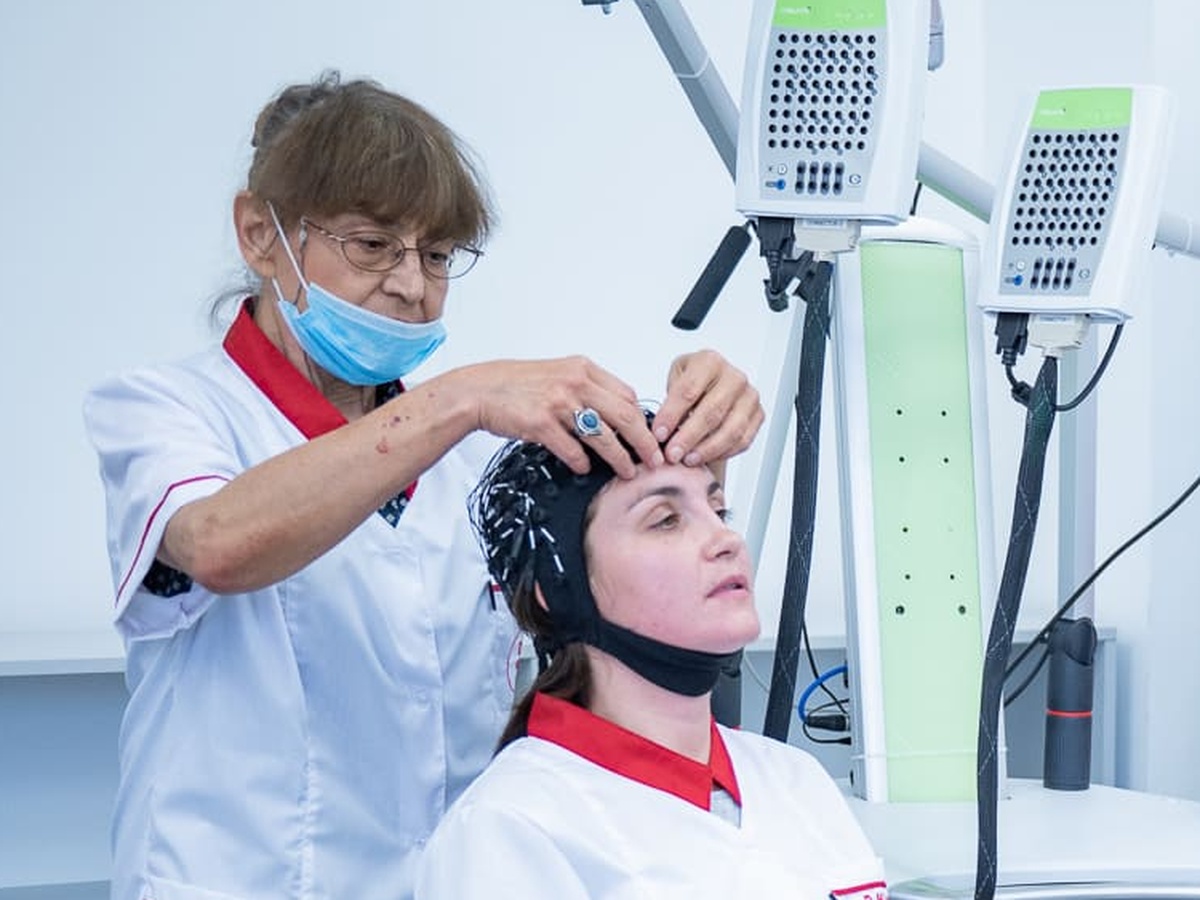
Four levels
What we measure
01
Mind
Questionnaires on stress, mood, burnout, life events and social factors.
02
Brain
Neurocognitive tasks – working memory and cognitive control.
03
Heart
24-hour heart rate variability – autonomic regulation and recovery.
04
Body
Hair cortisol, cortisone and DHEA; the inflammatory marker IL-6.
Method
From screening to follow-up
1
Screening
History, subjective experience and the body’s feedback.
2
Profiling
A complete profile – risk factors and resources.
3
Decision and support
Personalised recommendations and support.
4
Follow-up
Reassessment shows the change.
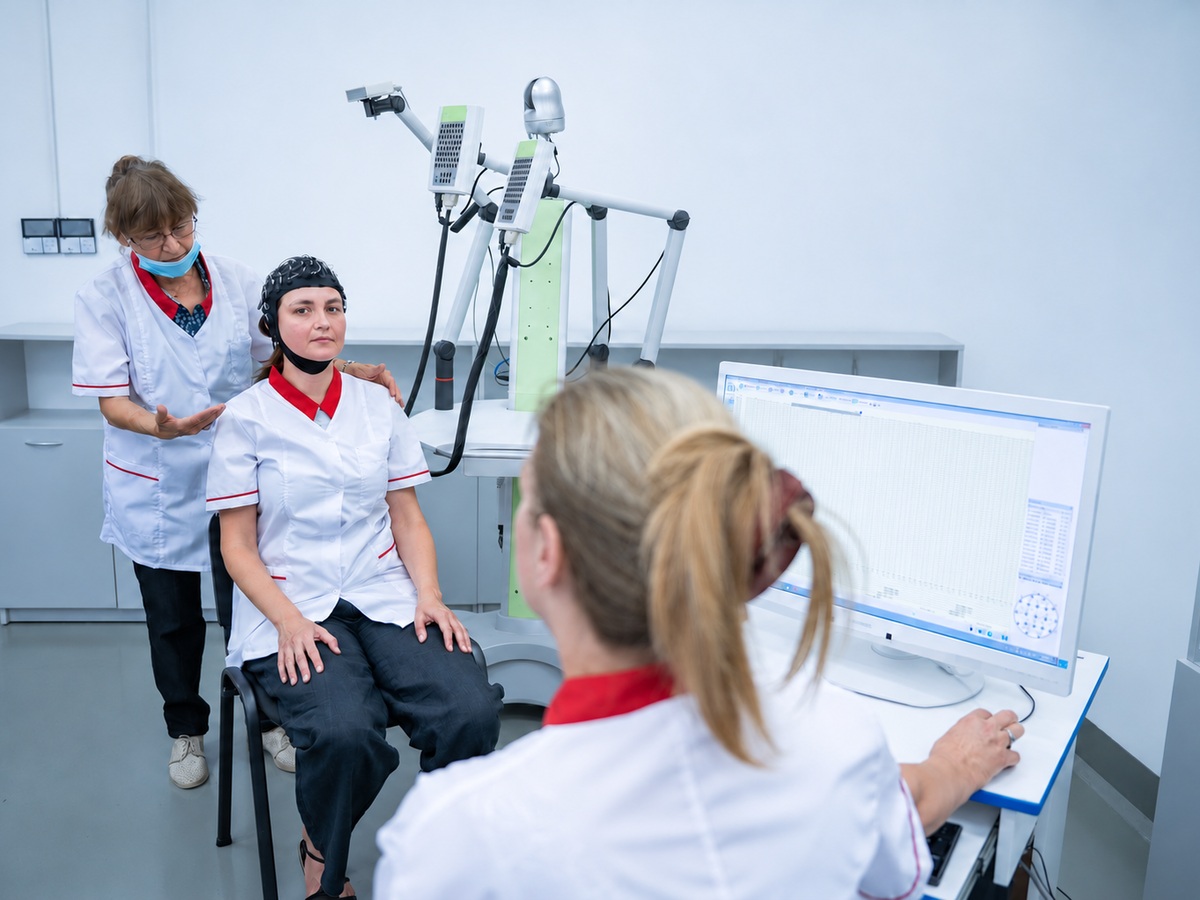
Why multimodal
When feeling and body disagree
Subjective feeling and physiological reactions do not always match. That is why we combine self-report, cognitive tasks and biological indicators – so the whole picture becomes visible.
- Explainable, science-based indicators
- Comparison with norms and tracking over time
- Screening, not diagnosis
What the data show
Findings from our research
01
Feeling and body diverge
In about 70% of participants, elevated sympathetic tone was unrelated to what they reported in questionnaires.
02
The relationship is not linear
Accumulated stress and autonomic regulation pass through phases – from heightened activation to exhaustion. That is why follow-up matters, not a one-off test.
03
Burnout is not depression
Across four electrophysiological experiments, the effects of the two conditions separate only once their overlap is taken into account.
04
No burnout yet not risk-free
A group without burnout on the burnout scale showed mild to severe depressive symptoms in 75% of cases.
Research with the Institute of Neurobiology of the Bulgarian Academy of Sciences and Sofia Tech Park laboratories. Laboratory methods (EEG, ERP) provide the scientific basis and are not part of the commercial screening.
Evidence
Research behind the method
Stress and the autonomic nervous system
Mental stress is associated with different phases of autonomic nervous system reactivity (2023).
Stress and cognitive functions
Different origins of stress relate differently to neurocognitive functions (2022).
Bulgarian versions of PHQ-9 and OLBI
Factorial structure of the depression and burnout questionnaires (2022).
See the method in action
Explore Test My Stress and the sample report.